
Showers Designed for Safer Daily Use
Walk-In Shower Conversions in Charlotte for bathtubs that create accessibility challenges
Stepping over a bathtub wall becomes more difficult as mobility declines, creating fall risks that make daily bathing stressful rather than routine. Walk-in shower conversions eliminate the high threshold by removing the existing bathtub and replacing it with a low-profile or zero-threshold shower base, allowing entry without lifting your leg sixteen inches or more. Thoroughbred Home Improvement completes these conversions in one day, addressing plumbing reconfiguration, waterproofing, and fixture installation in a single continuous work session.
The conversion process involves demolishing the existing bathtub and surround, relocating drain and supply lines to match the new shower configuration, installing a custom shower base with proper slope for drainage, waterproofing all surfaces, and completing wall panels or tile work. Permits are handled in-house, preventing the delays that occur when third-party services process applications weeks after they are submitted.
Schedule a bathroom assessment to evaluate your current tub configuration and discuss custom design options for your space.
How Bathtub Removal Changes Bathroom Function
Walk-in shower conversions reconfigure the plumbing layout because the drain location for a bathtub often does not align with the optimal drain position for a shower, requiring below-floor work to reroute lines. The new shower base is sloped to direct water toward the drain without pooling, and waterproofing extends up the walls to prevent moisture from reaching the framing even when spray hits the surfaces. Wall panels or tile are installed over a waterproof membrane, creating a sealed enclosure that handles daily water exposure without deterioration.
After the conversion completes, you walk into the shower without stepping over a high wall, reducing fall risk and making daily bathing less physically demanding. Water drains immediately without pooling on the shower floor, the enclosure remains dry between uses because ventilation improves without the tub obstructing airflow, and cleaning becomes faster because you access all surfaces without leaning over a deep tub. The space often feels larger because the visual obstruction of the bathtub wall is removed, even though the footprint remains the same.
The one-day installation timeline is possible because demolition, plumbing work, waterproofing, and finish installation are staged in sequence without interruption. Projects ranging from ten to fifteen thousand dollars reflect full custom conversions with tile work and quality fixtures rather than basic insert systems that leave existing conditions unaddressed.
Answers to Frequent Service Questions
Walk-in shower conversions involve decisions about layout, materials, and how the installation affects your bathroom's usability during the project.
What happens to the plumbing during a bathtub-to-shower conversion?
The drain line is relocated to the new shower base position if it does not align with the bathtub drain, supply lines are repositioned for shower valve placement, and all connections are tested for leaks before waterproofing and finish work begins.
How does Charlotte's humidity affect shower waterproofing?
High humidity slows curing of waterproofing membranes and grout, which is why installations include extended drying time in summer months and why ventilation fans are often upgraded during conversions to prevent moisture accumulation that causes mold growth.
What does the one-day installation process include?
The timeline covers bathtub removal, plumbing reconfiguration, shower base installation with waterproofing, wall panel or tile installation, fixture mounting, and final sealing, with the shower ready for use the following day after caulk and grout cure.
Why do walk-in shower conversions cost more than bathtub replacement?
Conversions require plumbing relocation, below-floor drain work, waterproofing that extends beyond the tub footprint, and custom wall installation, whereas bathtub replacement uses the existing plumbing and surround configuration without reconfiguration.
When should I convert a bathtub to a walk-in shower?
Conversion makes sense when mobility limitations make stepping over the tub wall difficult or unsafe, when you never use the bathtub for soaking, or when aging-in-place plans require accessibility modifications before mobility declines further.
Thoroughbred Home Improvement has operated as a family business for 30 years and now focuses specifically on shower conversions as its signature service. Request a project consultation to review your bathroom layout and receive a detailed scope outline before work begins.
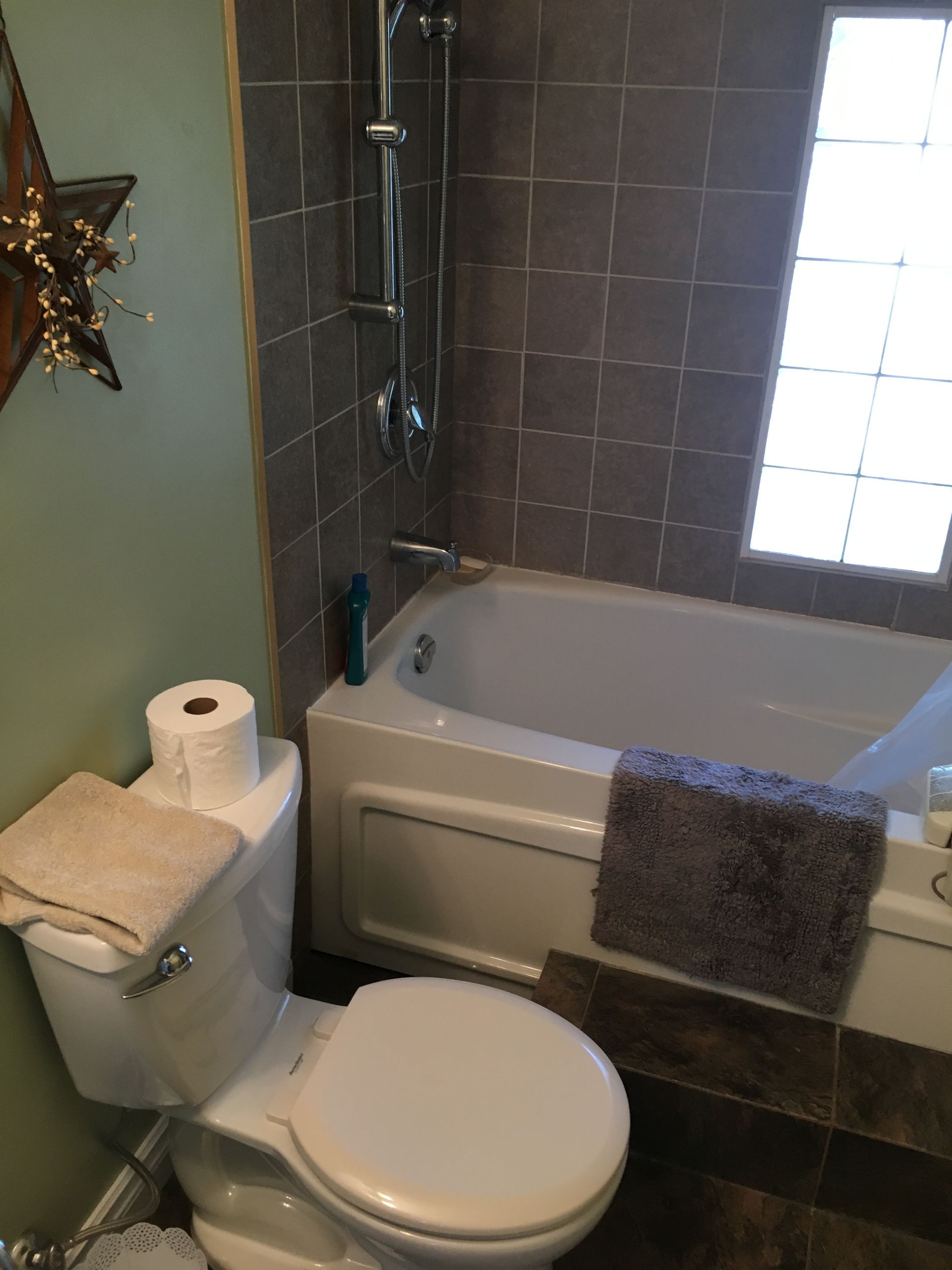
Before
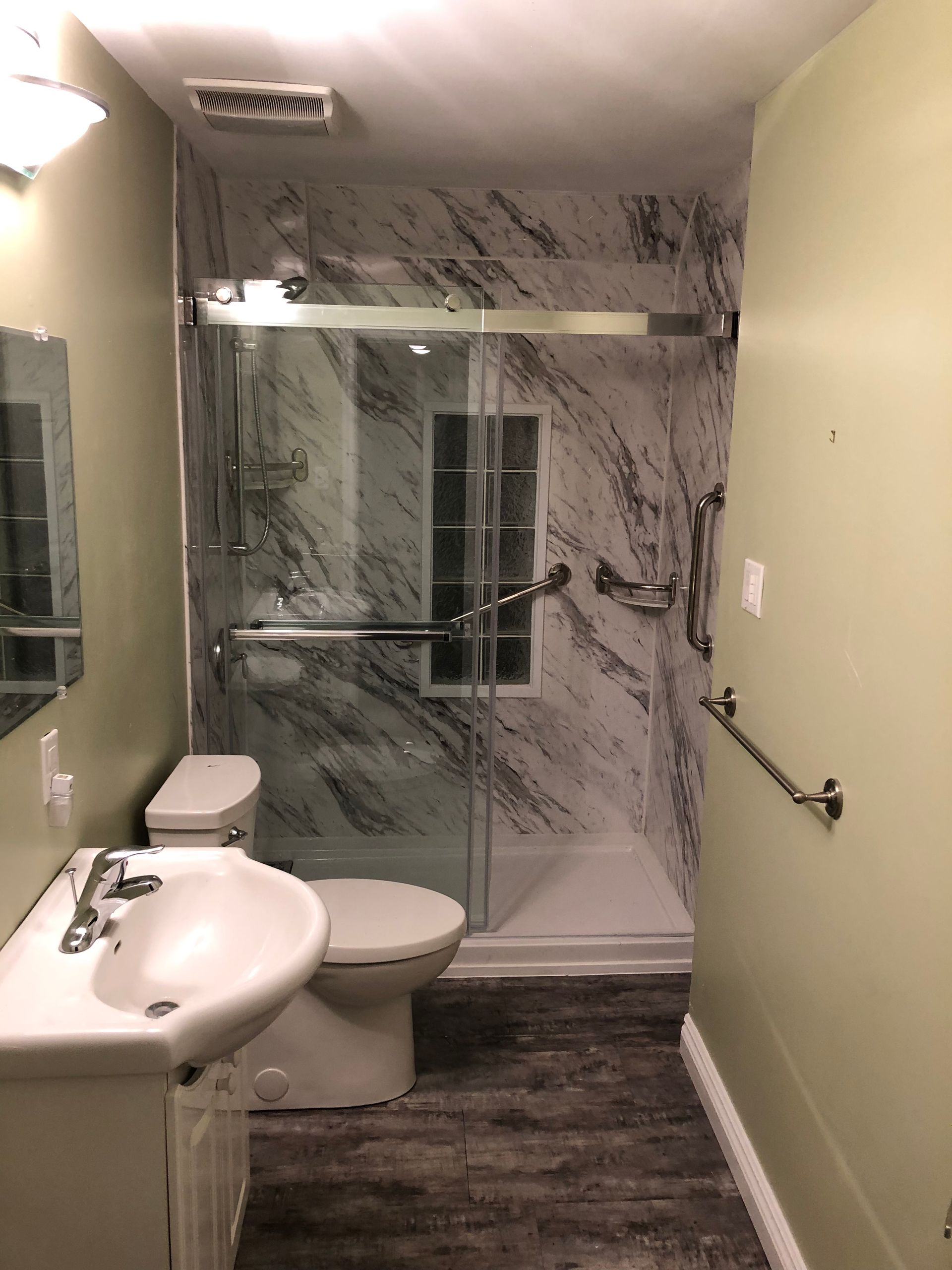
After
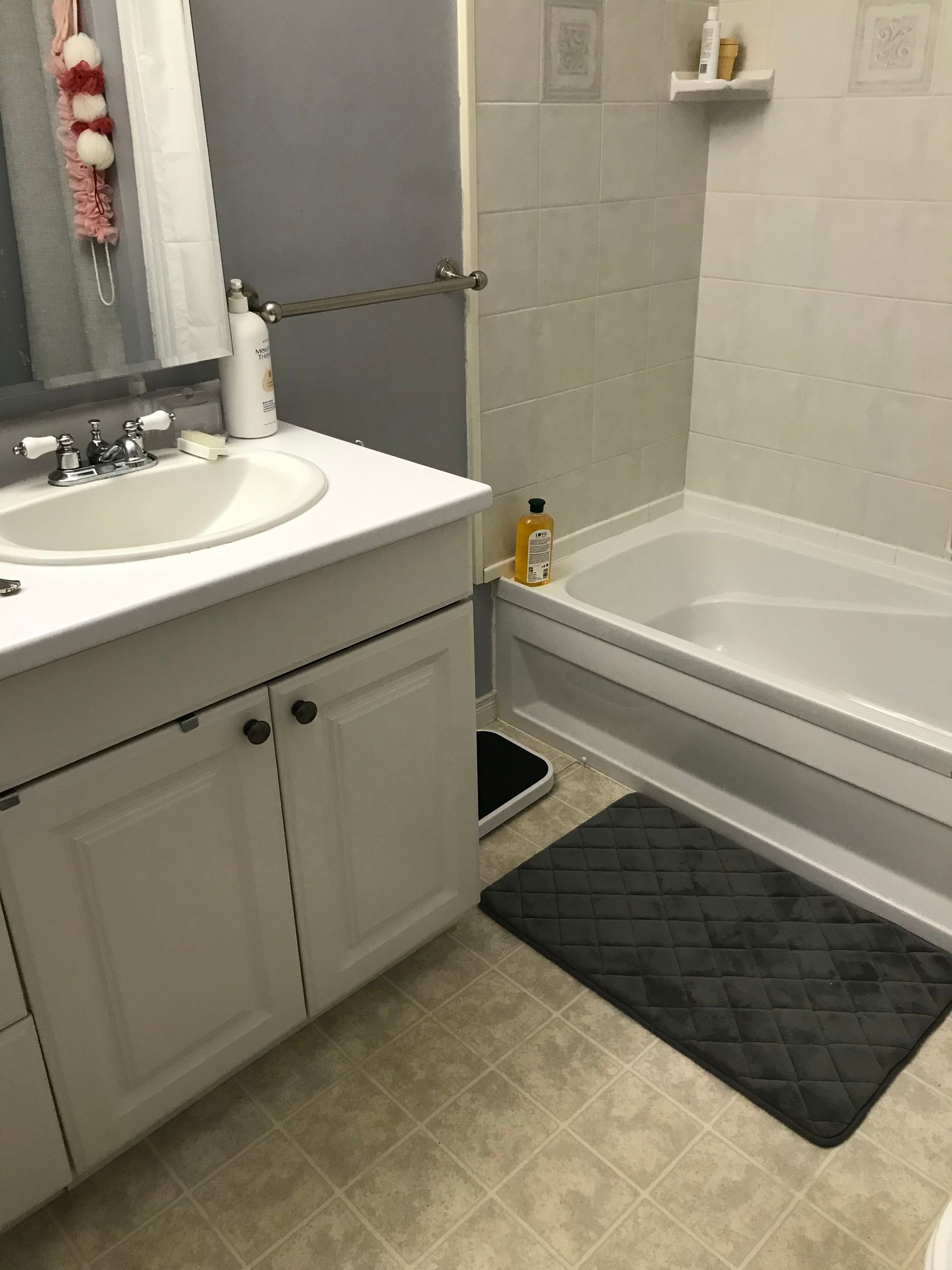
Before
After
Before
After